Garden

Home Home Garden

There’s nothing better than a lovely flower garden to add aesthetic charm and colour to your house. A variety of flowering plants give a wealth of blooms and textures to the area where you live. Although the most popular option for growing flowers is to plant them in regular pots and planters, many people are opting for self-watering planters due to their high levels of convenience.  

If in your busy life you have given up on growing your own flowers, veggies, and all sorts of plants, I’m sure you will like the idea of having a self-watering container in your home or trading/office. No more hoses, watering cans or dry, dying plants!  

How Self-watering Planters Work? 

Self-watering planters come in many different styles, but they all have the same basic design. Each pot has two chambers: a plant pot and a reservoir below it that holds water. The plant pot is suspended above the reservoir, keeping the soil from sitting in water. The plant absorbs water when it needs it, drawing it up from the reservoir through wicking action.  

A tube delivers water to the reservoir, either at the bottom or through an overflow hole on the side of the pot. Some pots also have tubes for removing excess water from the reservoir so you can keep them topped up at all times without the worry of overwatering.  

The tube that delivers water to the reservoir is usually attached to a pump that keeps it full, but you can also fill some containers with water by hand. Some pots that have tubes that deliver water directly to the soil are called wick planters because they use wicking action to draw moisture up into the soil.  

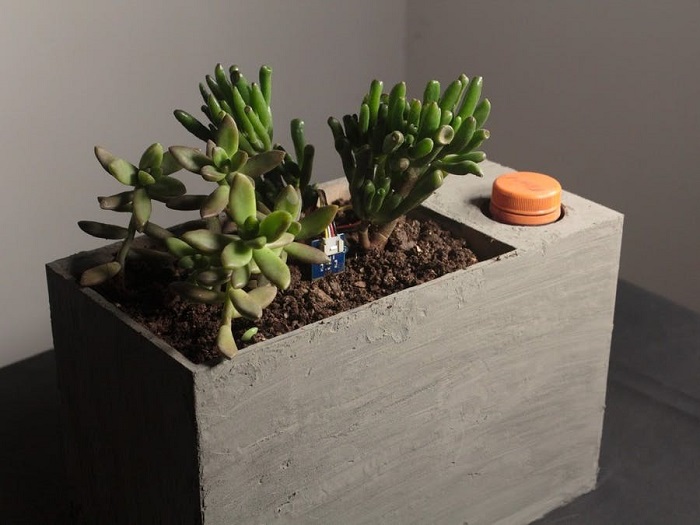
self watering planter
source: create.arduino.cc

How to Use Self Watering Pots? 

Self-watering pots are a great way to start a new hobby or to add some flair to your home. If you are tired of the same old look of your plants, it is time for a change. You can do this by using modern garden planters with innovative design consisting of a large reservoir at the bottom. The pots have holes along the bottom to allow water to flow up into the potting soil, which then helps the plant stay well-hydrated and healthy.  

You can find different self-watering pots with different designs, including rectangular ones, octagonal ones, and circular ones. Some self-watering planters are made from clay whereas others from plastic. Make sure you read the labels carefully before purchasing one because you will want to find out what the pot is made from and how big it is. 

Tall Pots for Wide Plants  

If you want to grow a tall plant in a self-watering pot, you will need a tall one so that there is enough room for your plant’s roots. The holes on these pots also tend to be spaced farther apart so that they can accommodate larger plants as well. Make sure that the pot has drainage holes in case water gets trapped in the reservoir at the bottom of the pot. 

Clay vs Plastic Pots  

When choosing between plastic and clay modern garden planters, many people choose clay pots because they do not have any chemicals used during manufacturing and these kinds of pots have been used for centuries by farmers and other growers. Clay pots are going to be more expensive than plastic ones, but they are more durable and do not let moisture escape from their surfaces easily. Plastic ones will also be lightweight, shatterproof, inexpensive and resistant to mould. If you like these properties, you should look for injection-moulded HDPE planters that are BPA-free and safe for food.

Self-watering Pots are a Good Bet for Indoor as well as Outdoor Plants  

self watering planter
source: earthplanter.com

As we know, self-watering pots are great for growing plants indoors. But did you know that they can be used outdoors? They’re perfect for container gardening in the summer, where you can place them on your porch or patio and water whenever you like.  

One of the best things about self-watering pots is that they save time and money. You won’t have to worry about forgetting to water your plants or having to lug buckets of water from your sink to your planter every day. Just fill-up the reservoir with water and let it do its job!  

These stylish modern garden planters give you a whole new outlook on gardening. While with trees you need to hire specialists to take proper care of them, with self-watering pots you can simply place your plant in the pot and let it go! Plus, with their attractive designs, these pots will enhance any porch, patio, or garden area. You can use self-watering containers for just about any type of plant, from herbs and vegetables to flowering plants!

Planting in a Self-watering Pot  

There are many different types of plants, varying in size and shape. Some of them grow fast, like herbs, while others are slow-growing, like cacti. Regardless of what type of plant you choose, you should think about the space your plant will take up once it starts to grow.

That’s why it’s important to pick indoor modern planters that are the right size for your plants; otherwise, you might end up having to repot every few months. When transplanting a plant into a new container, make sure that the drainage holes are not covered by soil and that the container has drainage holes at its bottom. This way, excess water will be able to get out and leave some room for oxygen in the soil.

If you don’t provide this gap in your pot or planter, the roots won’t be able to breathe and the soil will end up getting compacted, hindering water drainage and slowing down root growth. Once you’re done planting your new plant, fill up the tank with water and check regularly to see if it needs more water or if it has leaks that need repairing.  

self watering planters
source: desertplanters.com

To Sum Up  

Not only are self-watering planters an attractive option for a variety of indoor and outdoor uses, but they are also more cost-effective and convenient than regular pots and planters. If you have been unsure of what type of container would be best for your home or office space, consider the self-watering containers. They are convenient, economical, and easy to care for, with low maintenance requirements. 

When you are contemplating handling a yard situation on your own or hiring professionals to do the job you’ll need to estimate the cost and risk of the job. Most homeowners have little to no idea on how to handle a hazardous tree situation and often neglect obvious warning signs that your backyard needs critical handling. Prior to the extraction, proper preparations and removal plans should be made. This implies that successful emergency tree removal requires the skill of professional arborists.

Summer is just around the corner. Imagine inviting your friends to chill together in your backyard. The weather is superb, you’re all in a great mood, you laugh and you listen to good music. Everything is perfect and your beers are kept perfectly cold in the fridge. The fridge in the kitchen, that is. And you have to get up and go back and forth every time someone finishes their drink.

What is Mulch?

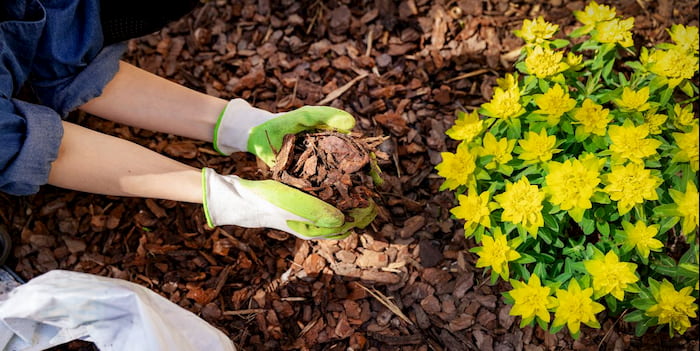
Once you’ve planted your garden, you should keep the soil healthy and protected. Mulch is a layer of material, like decaying leaves, bark or compost applied to the soil’s surface, which helps to enrich or insulate the soil.

Benefits of Mulch

Mulch benefits the plants’ growth, mainly because of the physical processes occurring at ground surface. The first, and probably main reason, is that mulch prevents the soil from drying out, keeps it moist and reduces watering by around 60% to 75%. Also, mulch controls weed growth and weed seed germination and promotes soil microorganisms activity. By keeping the soil from splashing onto leaves, it prevents the risk of disease. Another benefit, especially for the cooler days, is that mulch moderates the soil’s temperature and keeps it warmer during the winter season.

Mulch needs to be applied properly and with a lot of care. Over-mulching can lead to suffocation of the plants, or cause the tree trunk to become diseased.

garden mulching

Source: goodhousekeeping.com

Types of Mulch

There are various types of mulches, both organic and inorganic. Main factors that may affect the choice of mulch are durability, nutritive properties and aesthetic appearance. Here are the most common types of mulch and their specifics.

1. Organic Mulch

Organic mulch naturally breaks down with time, that’s why you need to check on it on a regular basis and top up when necessary.

Straw – This is an excellent choice for vegetable gardens. It decomposes very fast, improves the soil and helps you grow your veggies easily.

Sugar Cane – This mulch is made from fried sugar can leaves, and not only that it stimulates helpful soil organisms, but also makes a beautiful finish in your garden beds.

Hardwood – This is the best choice for suppressing weeds. Wood mulch looks great in any garden and it decomposes over time, so you won’t need to replace it so often.

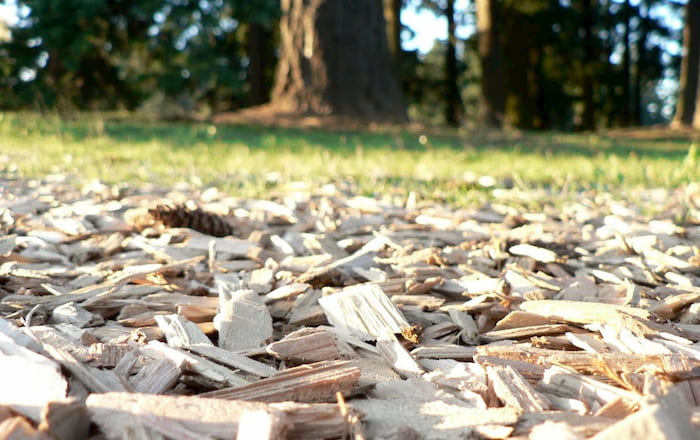
Wood chips – Similar to hardwood, this mulch provides effective weed control and adds to your garden’s charm. Black mulch is made of hardwood chips that are dyed with a carbon dye, absorbing the excess heat and protecting tender plants.

wood chips in the garden

Source: theconversation.com

Leaves – You can gather all the leaves lying around the garden, shred them and use them as mulch. Turn the waste into a useful feature for your garden’s look!

Lucerne – As the soil breaks down, this mulch gives an extra nitrogen and is ideal for growing flowers, veggies and fruit trees.

Grass clippings – If you’ve always wanted to grow a thick green lawn, this mulch is the best choice. Once you’ve mowed the lawn, dry out the mulch and add over it.

Pine bark – With its dark colour, the pine mulch blends in easily in any garden and is the perfect choice for garden pots and beds.

2. Inorganic Mulch

This type doesn’t positively affect the soil’s fertility as organic mulch, but they’re very good soil insulators. Inorganic mulch doesn’t break down and lasts for a long time.

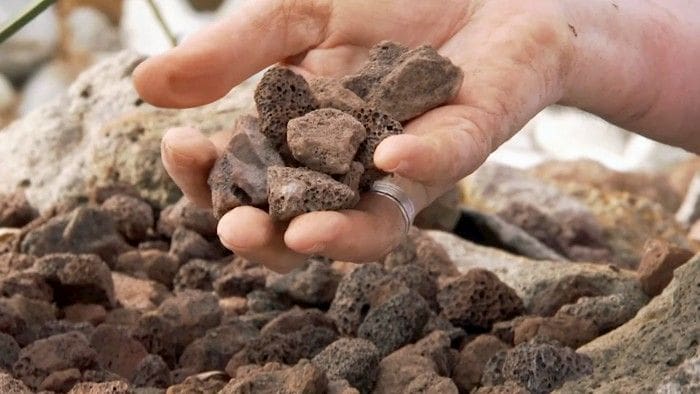
Gravel and pebbles – They offer beautiful design solutions, permanent and mostly recommended for foundation plants.

Black plastic – If you decide to use this mulch, bury it under the soil or otherwise it can break down due to the sunlight. It is most effective for controlling weed growth.

Landscape fabrics – Similar to plastic, but lets more air and water come through. If using it, add an extra of 6 to 8 cm organic mulch on the top.

There are many reasons for using mulch in your garden, but to ensure you get the best mulch, first determine the reasons for applying it. Once you know what your goal is and which improvements you’re hoping to make to your garden, you can choose your mulch accordingly.

inorganic mulch

Source: abc.net.au

What is Mulching Service?

Mulching is the practice of breaking down garden and land clearing waste using mulching machines, like chippers. The best thing about mulching service is that they can take out a tree and turn it into mulch for you. Also, they can assist you with processing green waste, wood chipping and spreading mulch in your tree and garden beds.

What is the Best Time for Mulching?

If you’ve been wondering what’s the best time for mulching your garden, the truth is that any time is better than never. Mulch can be spread at any time of the year. You put the first layer somewhere in mid-spring or mid-autumn, and then you can top up an existing mulch whenever needed.

Remember not to mulch too close to young or tender plants because it can cause mould issues as the organic material will decompose. In order to avoid bugs, you can use mulch made of melaleuca tree or cedar tree. They are packed with natural oils and chemicals that repel insects and termites away. Besides, they are good options for your landscape.

Prepare your garden trees and beds for winter by applying a thick layer of recycled wood mulch, or any other mulch of your choice. Remove weeds and clean up the beds before spreading the mulch. Winter mulch is not supposed to stay in place all year round, so you need to take away the excess mulch when you see new growth coming out.

storing mulch

Source: travstrees.com.au

Storing Mulch

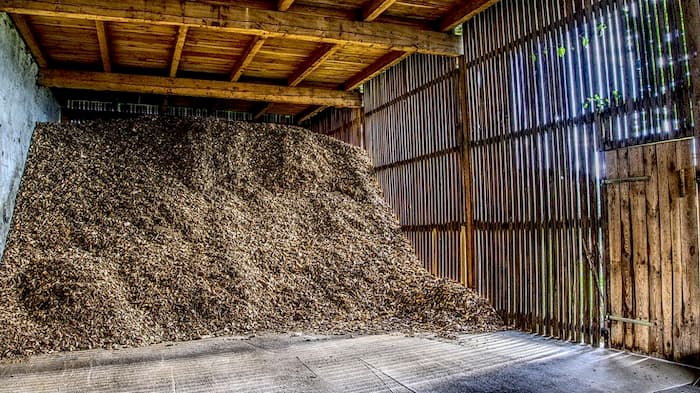
The most important thing for proper storing of mulch is to keep it dry the entire time. If the mulch is dry, then you can store it in trash bags or cans. But, if it’s not dry yet, the best option is to pile it up and turn it frequently until it’s completely dry and you can store it as recommended.

Recycle Your Organic Waste

In most Australian towns and cities, the local council has a recycle system where you take your green waste for recycling. You can put your excess lawn clippings and tree cuttings into compost and then put them out to be collected for recycling.

There has been a higher interest for growing veggies as in the last few years. Vegetable gardening offers numerous benefits – fresh-grown vegetables and herbs are tastier, crisper and healthier than what you can find at the store. Needless to say, you can improve your health by increasing your consumption of fresh vegetables, but also by increasing your physical activity by taking care of your garden. But while growing a garden is rewarding, it can also be a challenge. Some people naturally have a green thumb while others struggle to maintain their plants.

Although not a new concept, backyard garden sheds have gained great popularity in the last decade. Smaller home designs and the need for more storage space explain the fact why more and more homeowners are adding a garden shed to their backyard. While a lot of Aussies are wasting money every month on self-storage   fees, others have realized that garden sheds are a much smarter alternative.

What Is The Purpose of a Garden Shed?

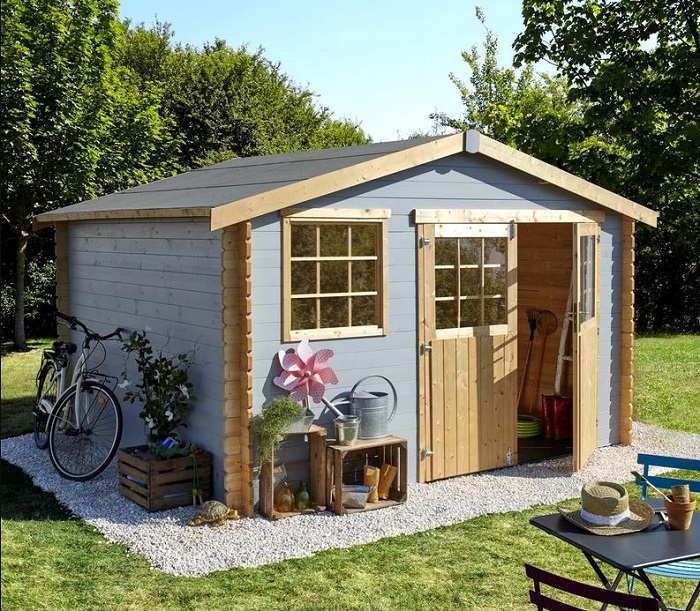
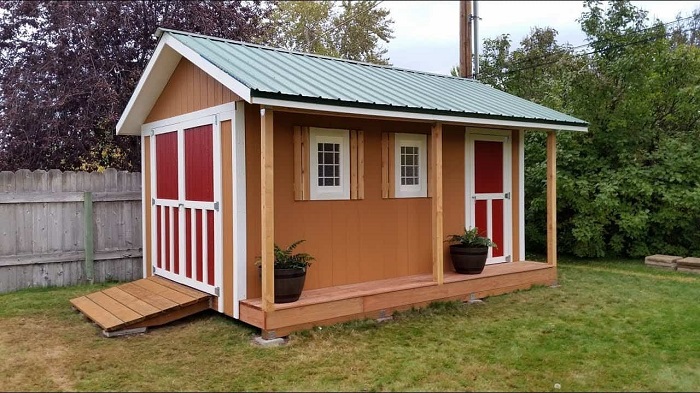
A garden shed is a small building used for storage. It can be simple or more complex, small or large, store-bought or a DIY project and it can be made from different materials to match your house’s exterior. It can be used for various purposes, including:

  • Storing gardening tools, a lawnmower, and other miscellaneous items;
  • Storing bikes and winter sports equipment;
  • Greenhouse or potting shed;
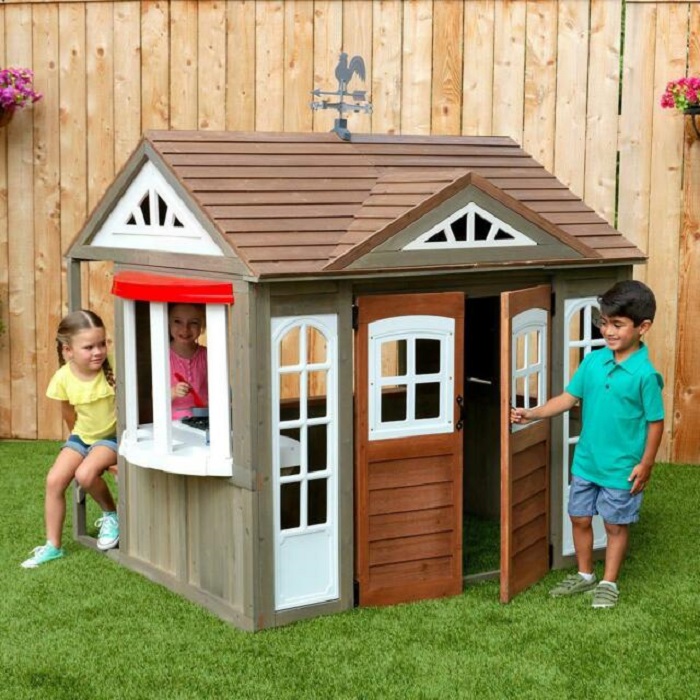
  • A child’s playhouse;
  • An office or a gym room, separated from the main house.

playhouse

But aside from having a place to put bikes, tools and other stuff away, sheds are not a merely clearing-backyard-clutter innovation. They are primarily designed to protect your stuff from the elements. In other words, investing in a quality shed will save you from making other investments, hence the importance to choose it right. Today, there is a wide range of materials, sizes and styles to choose from which means you will need to consider your needs and preferences and choose accordingly.

Material

Garden sheds can be made from wood, metal or plastic. Many would say that wooden sheds are the most durable as they have been used for centuries. They are also considered the most attractive. However, wood is a natural product that is subject to warping. It is just a natural consequence of the material being exposed to different weather conditions. While it can be nice to have a natural-looking shed in your garden, make sure you are ready to treat it annually with paint or preservative to keep its good look.

garden-sheds

Metal backyard garden sheds offer a number of advantages over their wooden counterparts. They feature an integrated locking system which prevents the door from being prised open. Some models don’t have windows to keep valuable items out of the sight of potential burglars. Metal sheds also give homeowners peace of mind that pests will be kept at bay, so the shed and its contents will remain unaffected. These units are also covered in a powder coat paint that makes them weatherproof and very durable.

Plastic sheds are the cheapest type of storage space you will come across on the market. Aside from the damp-proof membrane needed when installing them, plastic sheds require very little maintenance. However, these units are not very stylish and they can’t be repainted.

Size

When buying, you should also consider how you plan to use the shed and what you’ll store in it. If you want to keep your garden essentials in it, such as a lawnmower, rakes and small garden tools, then a small shed will provide just the right storage space you need. If you need enough room to store a BBQ and small garden furniture, a medium-size shed would be more suitable. For multi-uses, large sheds are the ideal choice as they enable you to store a wide array of goods. With a large shed, you might have enough room to create your own workshop.

The size of your yard will also be a determining factor when it comes to the size of the shed you can fit into your space. For small gardens and patios, a small shed (4×6 or 4×8) will provide much valuable outdoor space. Medium-sized gardens can make great use of medium-sized sheds for keeping gardening tools and medium-sized furniture. If you have a large garden, you can benefit from the extra storage space that large sheds offer.

Style

Don’t worry if your garden doesn’t have much space to offer. With the diverse range of shed styles on the market today, you are bound to find one that suits your garden. Pent or lean-to sheds, for example, are designed to be positioned on the side of a property, which means you don’t have to compromise on garden space. Corner sheds are also a great choice for small gardens. When style and size are important factors, metal sheds that feature sliding doors keep the unique compactness and tidiness while maximizing the space where they are placed.

Store-Bought or DIY Sheds?

diy-wooden-shed
Although building a backyard garden shed is not Quantum Science, buying a finished product is most certainly the easiest way.
But if you are interested in how to make a backyard shed by yourself, here’s a short tutorial  to help you out in the process.

There is no doubt that a garden shed is a practical addition to any home. It is a great storage solution that will help you store all your gardening tools, bikes and literally anything you cannot store inside your home. It is very natural for us people to collect a lot of things during the years. Some of them we use on a daily basis while others just seasonally. Garden sheds are the ideal solution to this never-ending problem. However, there are a few things to consider if you want to make the most out of your investment.

If you have the space and budget, there’s no reason not to splurge on a hot tub. Just imagine being able to unwind with the help of warm, bubbling water at the end of a hard day. The idea sure sound enticing. And considering how most of us have stressful and demanding jobs, we can use some pampering and relaxation more often. If you’re reading this, I’m sure you already decided to invest in a spa. But as with any expensive purchase, you want to make sure that you get the perfect deal for your money. With that being said, here are some important factors to consider when choosing the right hot tub for you.

4 person spa

Size

When it comes to choosing the size of the hot tub, consider the location where you plan to install it. Are you looking for an indoor spa for your bathroom? In that case, you may want to look at smaller hot tubs. Besides being able to fit in most spaces, smaller spas built for two people are also more affordable to run and easier to maintain. On the other hand, if you need room for you, your partner and your kids or want to invite friends over to share the waters, you may want to look into larger models such as a four person hot tub. A four person hot tub is usually a great solution as it is small enough to fit in a bathroom or on a balcony, and large enough to accommodate several people. On the other hand, if you have a large enough space in your yard, you can look into 6, 7 or 8 person models or even a swim spa if you want the added benefit of being able to swim.

Durability

Considering how a hot tub is an expensive purchase, you want it to last as long as possible. The material a hot tub is made of is usually what determines its lifespan. With that being said, acrylic and fibreglass models are considered as the most long-lasting options due to being very resistant to damage and fading. On the other hand, while a wooden shell may look like an attractive choice, it’s usually a bad idea as wood can warp when exposed to moisture and humidity.

Ease of Maintenance

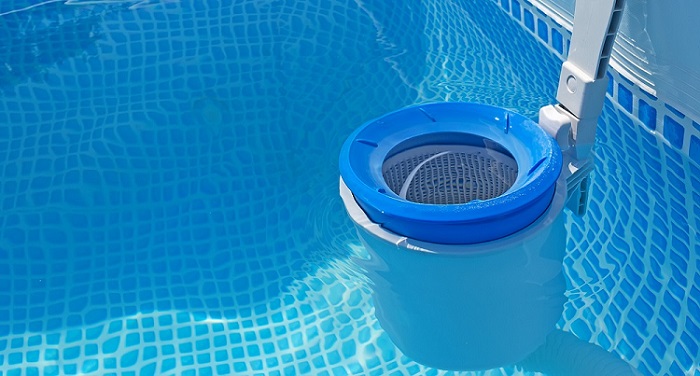
The purpose of a hot tub is to let yourself unwind and relax. That being said, having to clean the hot tub very often does not quite fit the idea of relaxing. While hot tubs do need some cleaning from time to time, there are some features that can make them much easier to maintain. One such feature is the special antibacterial and anti-fungal coating called “Microban”. This type of coating is 100% non-porous which makes it hard for dirt and bacteria to stick to, thus resulting in a hot tub that gets dirty less often. Additionally, make sure to pick a good filter that can prevent particles from getting caught in the water pump and clogging it.